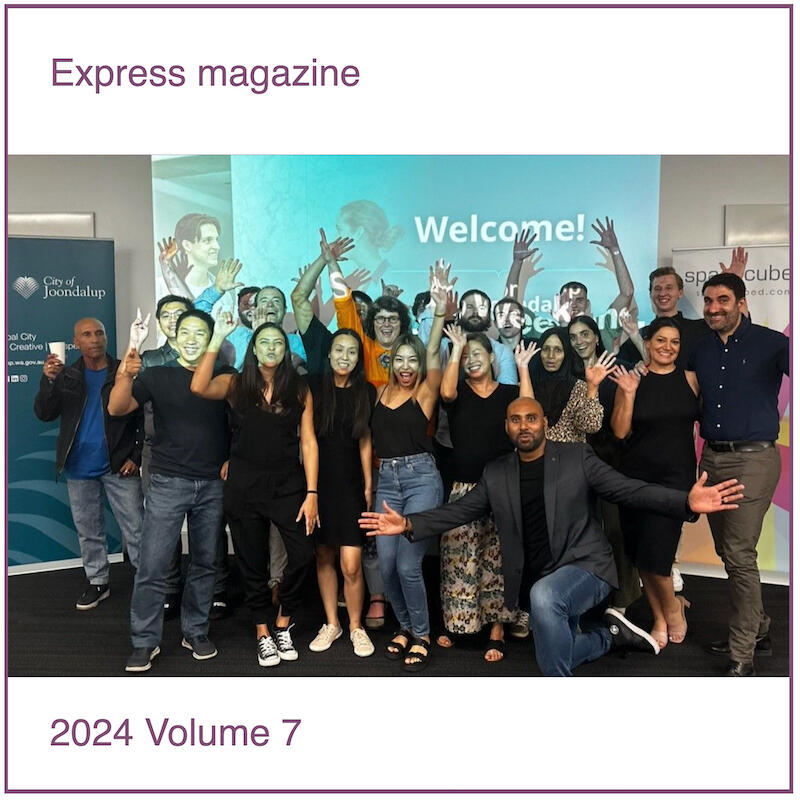
Express Magazine 2024 Volume 7
Express is the online magazine published three times a year by the Entrepreneurial Mindset Network. Since its launch in 2018, the magazine has established itself as a dynamic and inclusive global platform, featuring contributions from authors in 67 countries.Entrepreneurial Mindset Network is an inclusive, international community of practice where anyone can learn to use entrepreneurial behaviours and make their unique contribution to the world.Paul Coyle is the Founder and Executive Director of the Entrepreneurial Mindset Network and the editor of the Express magazine. He is an expert in the entrepreneurial mindset, innovation, entrepreneurship, leadership and organisational change.
RI:SE Mindset Development Framework
Use the Network's RI:SE Mindset Development Framework to support your personal and organisational development. RI:SE stands for Reflect & Initiate : Scale & Excel.
Reflect & Initiate:Read the Express Volume 7 articles and their executive summaries. Use these real-life lessons to Reflect on your personal goals and to Initiate actions to strengthen your own entrepreneurial behaviours.
Scale and Excel:The Network's premium development services enable leaders to Scale entrepreneurial ways of working, building from individuals to teams, and creating a culture in which everyone can Excel.
Entrepreneurial Mindset Express 2024
Volume 7 Issue 3
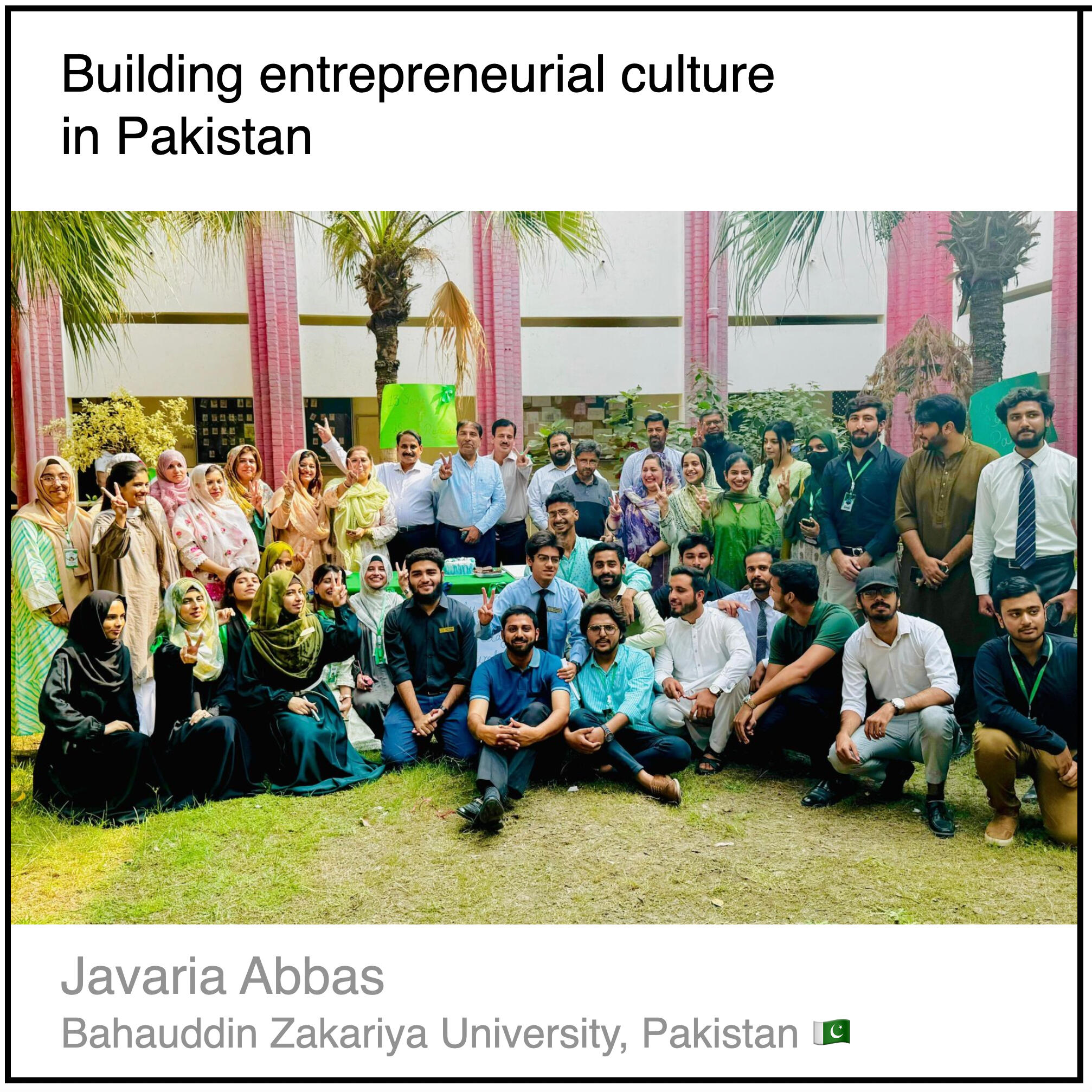
Thank you to the authors from Egypt, England, France, Germany, Pakistan and the USA for taking the time to share their inspiring stories. Click on any image to read or download the article.

Executive Summary
This executive summary synthesises key insights from Volume 7, Issue 3 of Express magazine, exploring how an entrepreneurial mindset can drive systemic transformation across higher education, healthcare, and innovation ecosystems. By addressing shared challenges in organisational culture, pedagogical modernisation, gender equity, and value-based strategy, the following questions and answers highlight practical approaches to fostering resilient and future-ready institutions. For a deeper dive read the individual articles.
What is an entrepreneurial mindset, and why is it important beyond starting a business?
An entrepreneurial mindset is defined as a practical framework of seven core behaviours: meeting real needs, innovating, acting ethically, taking calculated risks, communicating effectively, maintaining productivity, and taking the initiative. Rather than being restricted to founding a commercial business, an entrepreneurial mindset is a universal capability that empowers individuals across all disciplines to identify opportunities, connect ideas, and solve complex problems. Fostering individual-level creativity and a growth mindset is essential for organisational success, whether in higher education, healthcare, or the public sector. Combining specialised entrepreneurship training with a broad, multidisciplinary education equips individuals to adapt to changing environments, question established assumptions, and drive positive socio-economic impact.
Why are traditional teaching and working methods failing, and how can institutions innovate effectively?
Traditional, textbook-heavy instruction and rigid twentieth-century administrative practices create operational bottlenecks and stifle creativity when addressing modern challenges. Effective innovation requires expanding beyond breakthrough technologies or multi-million-pound projects to embrace everyday process improvements, such as simplifying complicated administrative procedures, rethinking routine meetings, and eliminating duplicated work caused by departmental silos. Educational and professional institutions must adopt dynamic, non-traditional pedagogical approaches, including interactive digital tools like podcasts, which encourage active listening, critical thinking, and language acquisition. Furthermore, transformation depends on engaging front-line staff and junior team members who observe daily operational inefficiencies, ensuring that innovation becomes an inclusive, institution-wide culture rather than the reserve of specific job titles.
How can organisations build an enduring culture of innovation and overcome resistance to change?
Building an enduring culture of innovation requires leaders to champion curiosity, openness, and evidence-based decision-making while actively disincentivising resistance to change. Institutions must establish comprehensive capacity-building initiatives, including workshops for educators, online awareness sessions for administrative staff, and peer-to-peer student ambassador networks across diverse academic fields. Overcoming fear of failure is critical, requiring leadership to reward sensible risk-taking and treat unsuccessful experiments as valuable learning opportunities. Furthermore, universities and organisations should act as ecosystem orchestrators, fostering collaborative networks between academia, industry, venture capital investors, public bodies, and social enterprises to co-create solutions and co-evolve strategic partnerships.
What strategies can empower under-represented groups and close gender and skills gaps?
Empowering under-represented groups, particularly women and youth, requires moving beyond simply encouraging business creation to building supportive structural environments that foster personal agency. Developing the care economy provides a vital framework that allows individuals to balance familial and professional responsibilities, creating new enterprise ownership and employment opportunities while supporting female founders. Addressing critical shortages in both digital hard skills and soft skills—such as leadership, strategic planning, and communication—demands targeted upskilling and reskilling programmes, public-private partnerships, and cloud technology training. Targeted initiatives, including dedicated mentorship, youth circular economy forums, and awards recognising female leaders in technology and innovation, ensure that under-represented talent is nurtured and integrated into future-ready workforces.
How can resource-constrained organisations and healthcare systems achieve sustainable, value-based outcomes?
Achieving sustainable outcomes in resource-constrained environments requires creative resource recombination, positive leadership, and an unwavering commitment to values-based practices. Organisations must focus on meeting genuine societal needs by delivering equitable access, reducing socio-economic and geographical health disparities, and protecting data privacy when deploying advanced technologies like artificial intelligence. Long-term financial and operational sustainability depends on eliminating wasteful expenditure, re-evaluating outdated working methods, and investing in preventative health measures and digital literacy that empower citizens. By safeguarding worker well-being, avoiding worker exploitation, reducing environmental impacts, and taking proactive ownership of systemic challenges, organisations can build resilient structures capable of delivering high-value outcomes.
Entrepreneurial Mindset Express 2024
Volume 7 Issue 2
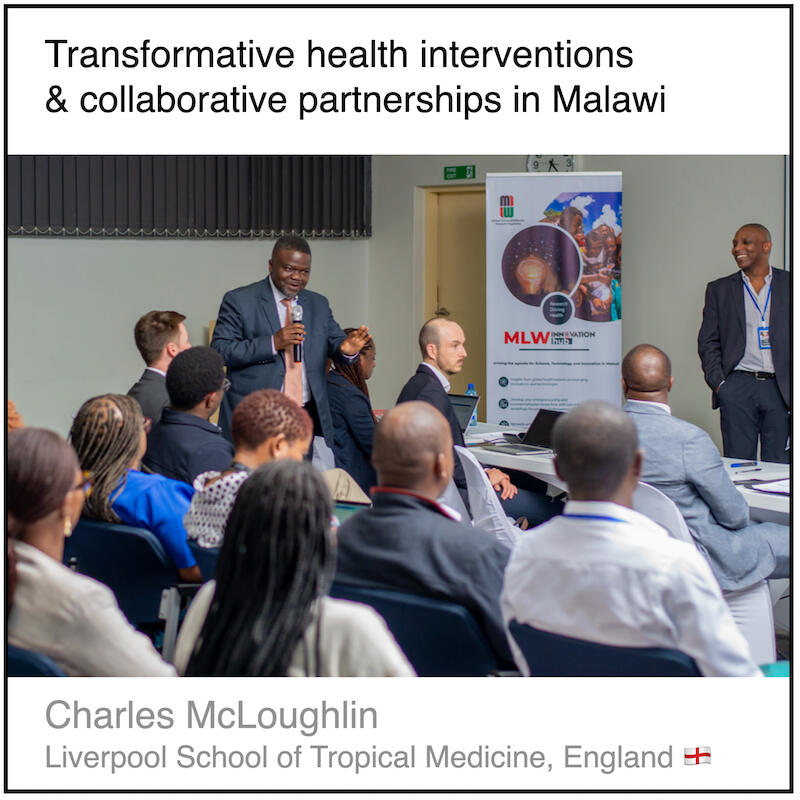
Thank you to the authors from England, France, Portugal and Saudi Arabia for taking the time to share their inspiring stories. Click on any image to read or download the article.
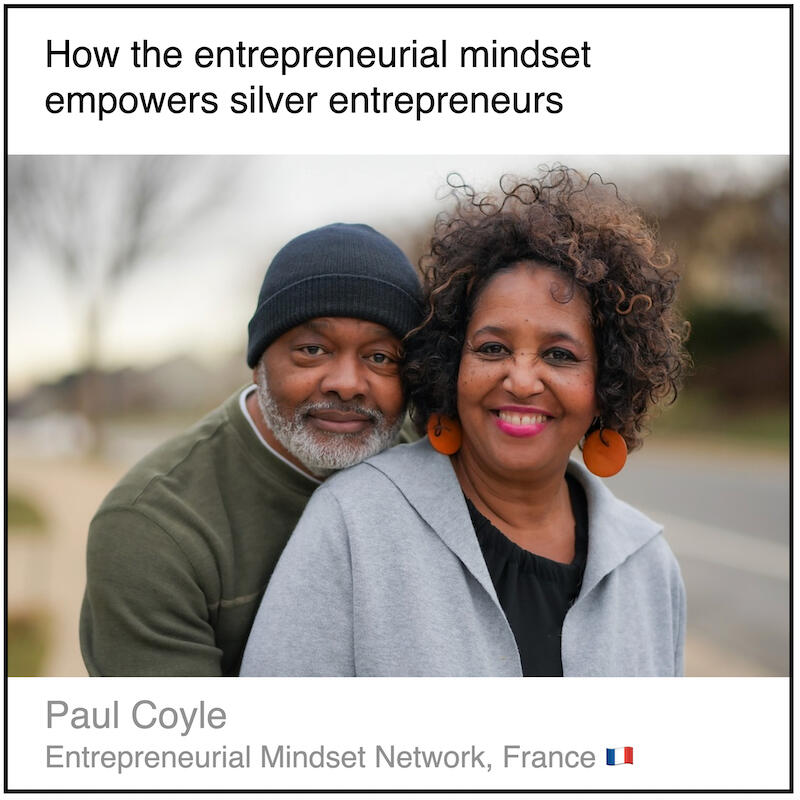
Executive Summary
This volume of Express magazine explores how cultivating an entrepreneurial mindset empowers individuals, institutions, and communities across diverse global contexts. Drawing on insights from international experts in public policy, higher education, healthcare innovation, and inclusive enterprise, this executive summary addresses core questions around releasing human potential, overcoming systemic barriers, and building resilient ecosystems. The following questions and answers highlight key insights from these articles. For a deeper dive read the individual articles.
What is an entrepreneurial mindset, and how can it be activated across different stages of life and academic fields?
An entrepreneurial mindset is defined as a way of thinking and acting that enables individuals to identify opportunities, solve complex problems, build resilience, and transform ideas into social, cultural, or economic value. It is not an innate gift restricted to commercial business founders, nor is it limited by age, gender, or academic background. Every individual possesses the capacity for an entrepreneurial mindset, but activating it requires intentional awareness, continuous practice, structured self-reflection, and supportive mentorship. Across various stages of life, this mindset empowers young people exploring flexible employment, older individuals challenging traditional notions of retirement through silver entrepreneurship to maintain mental well-being, and practitioners in non-business fields such as healthcare and medicine. Educators, students, and leaders can cultivate this mindset by using digital self-assessment instruments to evaluate their own professional habits, identify personal strengths and weaknesses, and co-create practical action plans tailored to their specific disciplines.
What are the main barriers that prevent people from starting or growing a business, and how can they be overcome?
The primary obstacles to enterprise creation and growth include the fear of failure, persistent skills gaps, regulatory disincentives, lack of access to seed capital, narrow media stereotypes, and under-investment in regional research and development. Fear of failure acts as a major self-constructed barrier driven by low self-confidence, risk perception, and severe regulatory consequences regarding business closure, which disproportionately affects under-represented groups such as women. Additionally, societal stereotypes often reinforce a narrow view of entrepreneurs as young, Western technology founders, undermining the confidence of seniors, immigrants, and diverse founders. These barriers can be overcome by offering bundled financial and non-financial support, providing targeted coaching and mentoring schemes, reforming tax and regulatory policies, and improving enterprise education. Promoting diverse role models and encouraging a can-do attitude helps turn operational setbacks into lifelong learning opportunities, building self-reliance and enhancing overall employability.
How can experiential learning, agile frameworks, and modern technologies strengthen entrepreneurship education and healthcare innovation?
Experiential learning and practical problem-solving frameworks bridge the critical gap between theoretical knowledge and real-world execution. Implementing dedicated venture creation programmes allows learners to pitch for seed funding, launch real ventures, and manage business operations as part of their studies. In specialised sectors like public healthcare, multidisciplinary teams of students, researchers, and hospital staff can apply agile methodologies, such as five-day design sprints, to rapidly identify operational challenges, prototype digital applications, and present pitch decks to venture panels. Furthermore, integrating modern tools—such as digital self-reflection tools and generative artificial intelligence—enhances learning when used ethically. Rather than attempting to resist emerging technologies, educators should embrace them as valuable tools to develop critical thinking, sharpen problem-solving skills, and accelerate the commercialisation of homegrown health and technology solutions.
Why are collaborative partnerships and national strategic alignment essential for building sustainable entrepreneurial ecosystems?
Building a sustainable entrepreneurial ecosystem requires strong collaborative partnerships among governments, academic institutions, healthcare providers, private investors, and international networks. While institutional funding and infrastructure may exist, a capability gap frequently remains between available resources and the practical readiness of emerging founders. Strategic partnerships address this gap by combining local market connections with institutional support, facilitating technology transfer, and navigating complex continental regulatory and market access pathways. To ensure long-term venture viability and regional impact, enterprise initiatives and foreign investors must align their strategic objectives with national development visions and local priorities. Investing in context-specific, locally developed innovations ensures that solutions directly address regional societal needs, fostering inclusive wealth creation, self-reliance, and long-term socio-economic resilience.
Entrepreneurial Mindset Express 2024
Volume 7 Issue 1
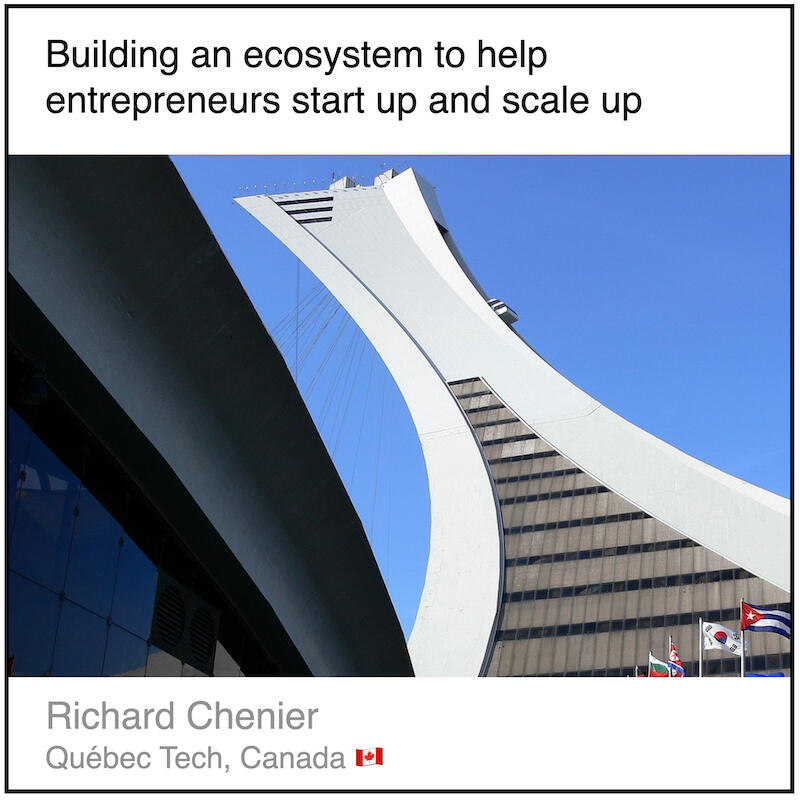
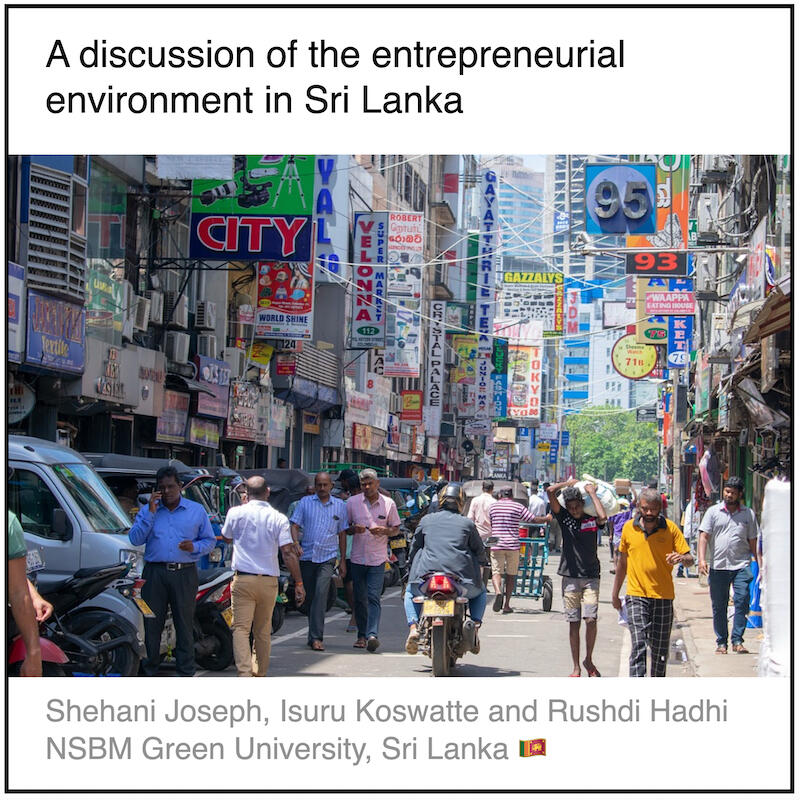
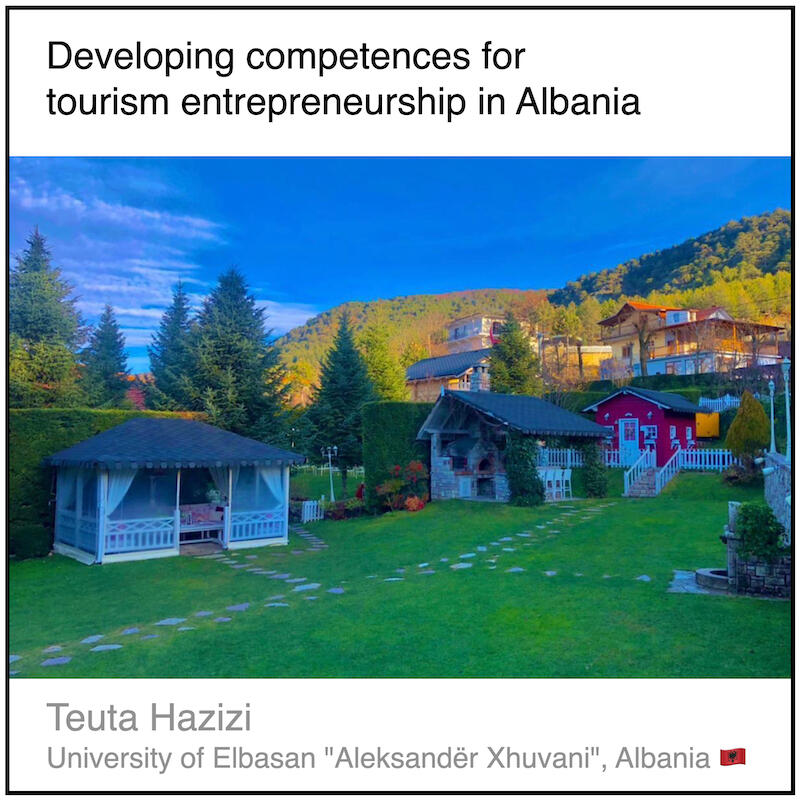
Thank you to the authors from Albania, Australia, Canada, Denmark, Senegal and Sri Lanka for taking the time to share their inspiring stories. Click on any image to read or download the article.
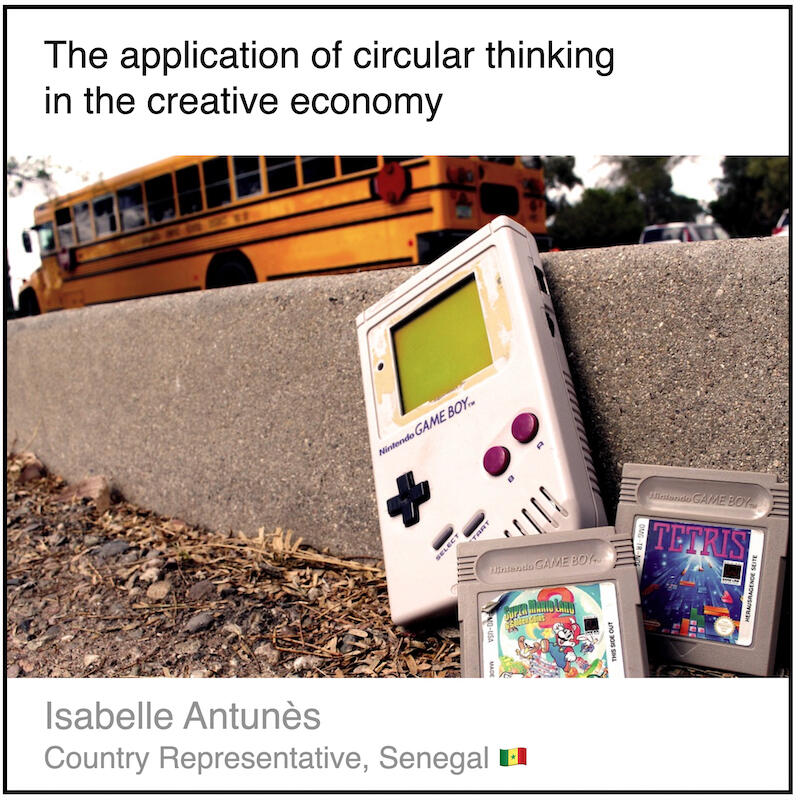
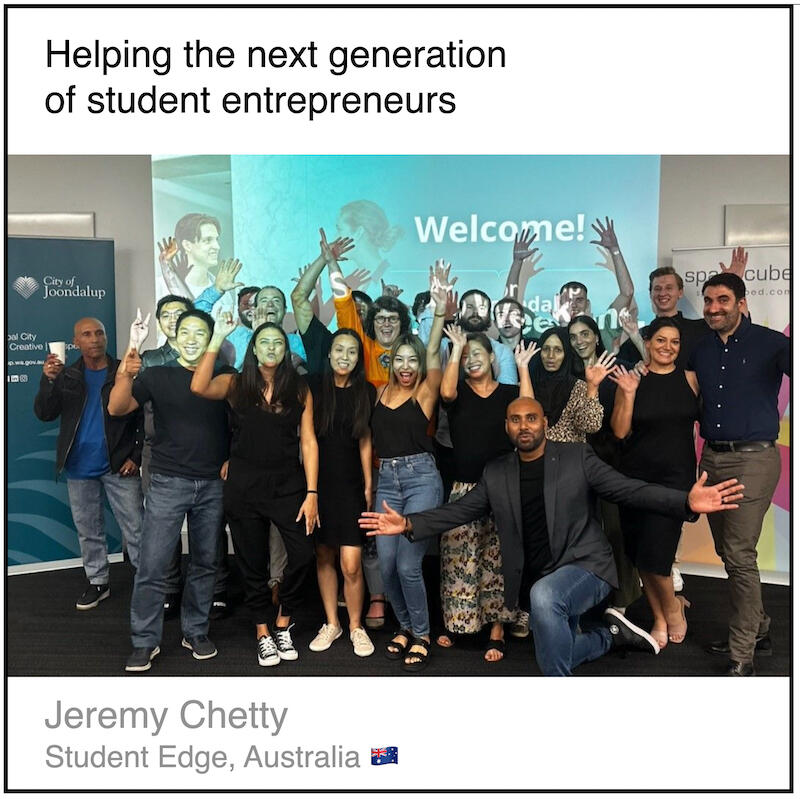
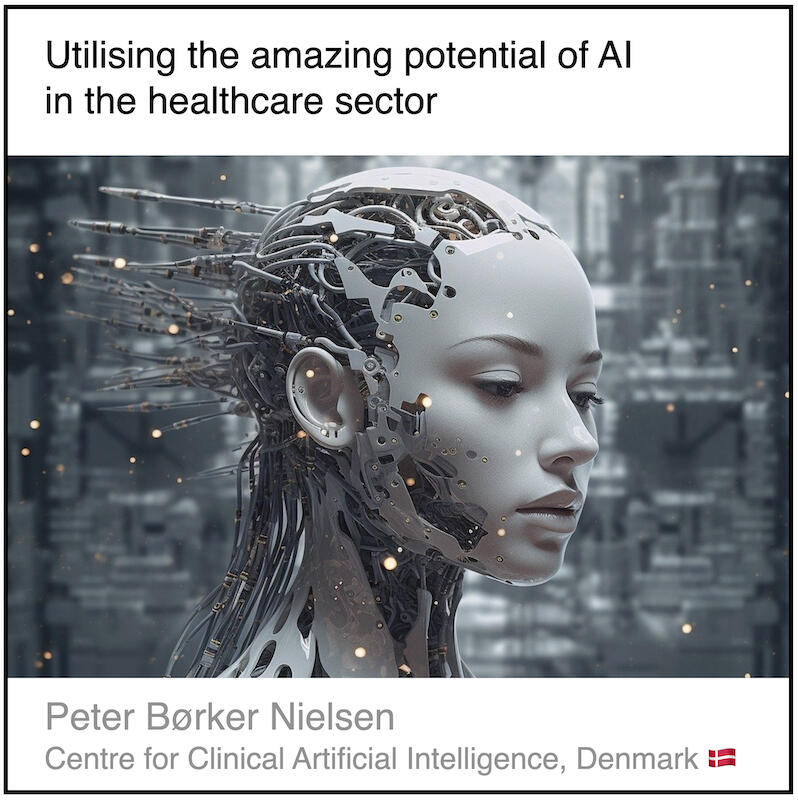
Executive Summary
This executive summary synthesises key insights from Volume 7, Issue 1 of Express magazine, offering a unified overview of the core principles shaping modern entrepreneurship. Across six expert contributions, it explores how cultivating an entrepreneurial mindset, building supportive ecosystems, and aligning purpose with practical validation drive sustainable success for individuals, institutions, and communities. The following questions and answers highlight key insights from these articles. For a deeper dive read the individual articles.
What is an entrepreneurial mindset and why is it important beyond traditional business creation?
An entrepreneurial mindset is defined as a flexible, proactive, and problem-solving orientation that enables individuals to identify opportunities, adapt to volatile or changing environments, and transform theoretical knowledge into practical value. Far from being limited to launching commercial start-ups, it serves as an essential equaliser and skill set for students, academic researchers, clinical teams, and leaders across established organisations. Developing this mindset requires cultivating self-leadership, openness, continuous learning, and resilience when facing risk or failure. It also relies on activating empathy and deep observation to understand societal needs, allowing individuals to build a distinct professional identity and create sustainable value within their respective fields.
What are the essential components of a thriving entrepreneurial ecosystem?
A thriving entrepreneurial ecosystem is defined as an interconnected network of resources, institutions, and support mechanisms that enables ventures to launch, sustain, and expand. While coaching, incubation, and mentorship are valuable, a complete ecosystem requires robust access to qualified talent pools, market opportunities, physical and digital infrastructure, and structured financial resources. It depends on active collaboration between universities, government bodies, private industry, and local communities. Furthermore, an effective ecosystem adopts a human-centred and circular approach, ensuring that capital, savings, and knowledge are continuously recycled within the community to support inclusive growth, overcome regional barriers, and build long-term economic resilience.
How can ventures successfully navigate the transition from a start-up to a scale-up?
The transition from a start-up to a scale-up is defined as the strategic shift from initial product creation and business model validation to operational expansion, market acceleration, and organisational stabilisation. In the start-up phase, the primary focus rests on technical development, experimentation, and establishing product-market fit. Scaling up requires a fundamental pivot toward operational efficiency, supply chain management, sales capability, regulatory compliance, and risk management. Successfully managing this evolution demands expanding the skill sets within the team, establishing clear governance, and ensuring that founders put personal ego aside to make decisions that prioritise long-term organisational health over individual roles.
Why are organisational purpose and human-centred leadership critical to team performance?
Organisational purpose is defined as the foundational reason why a venture exists, serving as the guiding principle for decision-making, resource allocation, and team alignment. Human-centred leadership involves placing empathy, care, and clear communication at the centre of management, ensuring that every team member understands and remains committed to the core objective. Regularly reinforcing this shared purpose resolves internal conflicts, aligns diverse skill sets, and sustains motivation through challenging periods. By balancing strategic goals with a genuine concern for human potential and stakeholder well-being, leaders foster cohesive teams capable of innovating responsibly while maintaining high performance.
How do education and practical validation bridge the gap between innovation and real-world adoption?
Bridging the gap between creative innovation and practical adoption requires aligning educational frameworks and validation processes with real-world requirements. Entrepreneurship education must prioritise practical competence development, including resource mobilisation, financial literacy, and strategic planning, alongside academic knowledge. For complex technologies or specialised sectors, implementation depends on rigorous local validation, transparent processes, and interdisciplinary collaboration to build trust and guarantee safety before widespread deployment. Combining hands-on competence training with robust testing ensures that novel ideas, whether in creative industries, digital health, or regional enterprise, transition seamlessly from concept to sustainable real-world impact.
Copyright and Licensing Notice
These open-access articles are distributed under the terms of the Creative Commons Attribution 4.0 International License (CC BY 4.0), which permits unrestricted use, distribution, and reproduction in any medium, on condition that the original author and publisher are properly credited.The recommended citations are shown below. Each citation is in bold text and is followed by an author profile:Abbas, J. (2024). Building entrepreneurial culture in Pakistan. Entrepreneurial Mindset Network: Express Magazine, 7(3). https://doi.org/10.5281/zenodo.24131631
Javaria Abbas (Bahauddin Zakariya University, Pakistan) Google Scholar LinkedIn ORCID profileAdams, N. (2024). Engaging students in clinical innovation and enterprise. Entrepreneurial Mindset Network: Express Magazine, 7(2). https://doi.org/10.5281/zenodo.24107359
Nigel Adams (University of Buckingham, England) Google Scholar LinkedIn ORCID profileAntunès, I. (2024). The application of circular thinking in the creative economy and for economic growth. Entrepreneurial Mindset Network: Express Magazine, 7(1). https://doi.org/10.5281/zenodo.24079913
Isabelle Antunès (Country Representative, Senegal) LinkedInBux, U. (2024). Fostering talent in the European health sector. Entrepreneurial Mindset Network: Express Magazine, 7(3). https://doi.org/10.5281/zenodo.24135329
Urška Bux (EIT Health, Germany) LinkedInChenier, R. (2024). Building an ecosystem to help entrepreneurs start-up and scale-up. Entrepreneurial Mindset Network: Express Magazine, 7(1). https://doi.org/10.5281/zenodo.24083323
Richard Chenier (Québec Tech, Canada) LinkedInChetty, J. (2024). Helping the next generation of student entrepreneurs. Entrepreneurial Mindset Network: Express Magazine, 7(1). https://doi.org/10.5281/zenodo.24082141
Jeremy Chetty (Student Edge, Australia) LinkedInCoyle, P., and Lamas, M. (2024). Mindset Behaviour Analysis (MBA) in higher education. Entrepreneurial Mindset Network: Express Magazine, 7(2). https://doi.org/10.5281/zenodo.24106576
Marco Lamas (ISLA, Portugal) LinkedIn ORCID profile and Paul Coyle (Entrepreneurial Mindset Network, France) Google Scholar LinkedIn ORCID profileCoyle, P. (2024). How the entrepreneurial mindset empowers silver entrepreneurs. Entrepreneurial Mindset Network: Express Magazine, 7(2). https://doi.org/10.5281/zenodo.24107820
Paul Coyle (Entrepreneurial Mindset Network, France) Google Scholar LinkedIn ORCID profileCoyle, P. (2024). Entrepreneurial mindset and strategy in value-based healthcare. Entrepreneurial Mindset Network: Express Magazine, 7(3). https://doi.org/10.5281/zenodo.24132958
Paul Coyle (Entrepreneurial Mindset Network, France) Google Scholar LinkedIn ORCID profileCresswell, J. (2024). Why we need a whole new approach to innovation within higher education. Entrepreneurial Mindset Network: Express Magazine, 7(3). https://doi.org/10.5281/zenodo.24132586
Jo Cresswell (Research and innovation consultant, England) LinkedInDutta, D. (2024). Strategy, innovation and entrepreneurial ecosystems. Entrepreneurial Mindset Network: Express Magazine, 7(3). https://doi.org/10.5281/zenodo.24130147
Dev Dutta (University of New Hampshire, USA) Google Scholar LinkedIn ORCID profileHadhi, R., Joseph, S., & Koswatte, I. (2024). A discussion of the entrepreneurial environment in Sri Lanka. Entrepreneurial Mindset Network: Express Magazine, 7(1). https://doi.org/10.5281/zenodo.24083893
Shehani Joseph (NSBM Green University, Sri Lanka) LinkedIn ORCID profile, Isuru Koswatte (NSBM Green University, Sri Lanka) LinkedIn ORCID profile and Rushdi Hadhi (NSBM Green University, Sri Lanka) LinkedInHalabisky, D. (2024). How public policy can release untapped entrepreneurial potential. Entrepreneurial Mindset Network: Express Magazine, 7(2). https://doi.org/10.5281/zenodo.24103763
David Halabisky (OECD, France) LinkedInHattab, H. (2024). Enhancing entrepreneurship and innovation in Egypt. Entrepreneurial Mindset Network: Express Magazine, 7(3). https://doi.org/10.5281/zenodo.24130902
Hala Hattab (Entrepreneurship educator, Egypt) LinkedIn ORCID profileHazizi, T. (2024). Developing competences for tourism entrepreneurship in Albania. Entrepreneurial Mindset Network: Express Magazine, 7(1). https://doi.org/10.5281/zenodo.24084874
Teuta Hazizi (University of Elbasan "Aleksandër Xhuvani", Albania) LinkedIn ORCID profileMcLoughlin, C. (2024). Transformative health interventions & collaborative partnerships in Malawi. Entrepreneurial Mindset Network: Express Magazine, 7(2). https://doi.org/10.5281/zenodo.24102132
Charles McLoughlin (Liverpool School of Tropical Medicine, England) LinkedIn ORCID profileNielsen, P. B. (2024). Utilising the amazing potential of AI in the healthcare sector. Entrepreneurial Mindset Network: Express Magazine, 7(1). https://doi.org/10.5281/zenodo.24082622
Peter Børker Nielsen (Centre for Clinical Artificial Intelligence, Denmark) LinkedInSama, H. (2024). Developing the entrepreneurial mindset in the Middle East. Entrepreneurial Mindset Network: Express Magazine, 7(2). https://doi.org/10.5281/zenodo.24104574
Hussain Sama (Independent Coach, Saudi Arabia) LinkedIn
Editorial Note: To provide a unified overview of these global perspectives, the executive summaries were synthesised and structured using Google Gemini under human editorial oversight. Readers are encouraged to download the original author PDFs for full context.
This website is published by the Entrepreneurial Mindset Network © 2024 all rights reserved.